



Non-profit organizations serve communities where English isn’t always the primary language. From food banks assisting immigrant families to advocacy groups supporting refugees, non-profit language support has become essential for reaching the populations these organizations aim to help. Without proper translation and interpretation, even the most well-intentioned programs can fail to connect with those who need them most.
Finding the right language services as a non-profit comes with unique challenges. Budgets are often limited, missions are specific, and the stakes, whether legal aid, healthcare access, or education, are high. You need providers who understand both your constraints and your commitment to the communities you serve.
This guide breaks down the services available, what they typically cost, and how to find the best fit for your organization’s needs. At Languages Unlimited, we’ve partnered with non-profits across all 50 states since 1994, providing certified translation and interpretation services that help organizations communicate effectively. We understand that reaching multilingual communities isn’t just about words, it’s about building trust with every person you serve.
Why non-profit language support matters
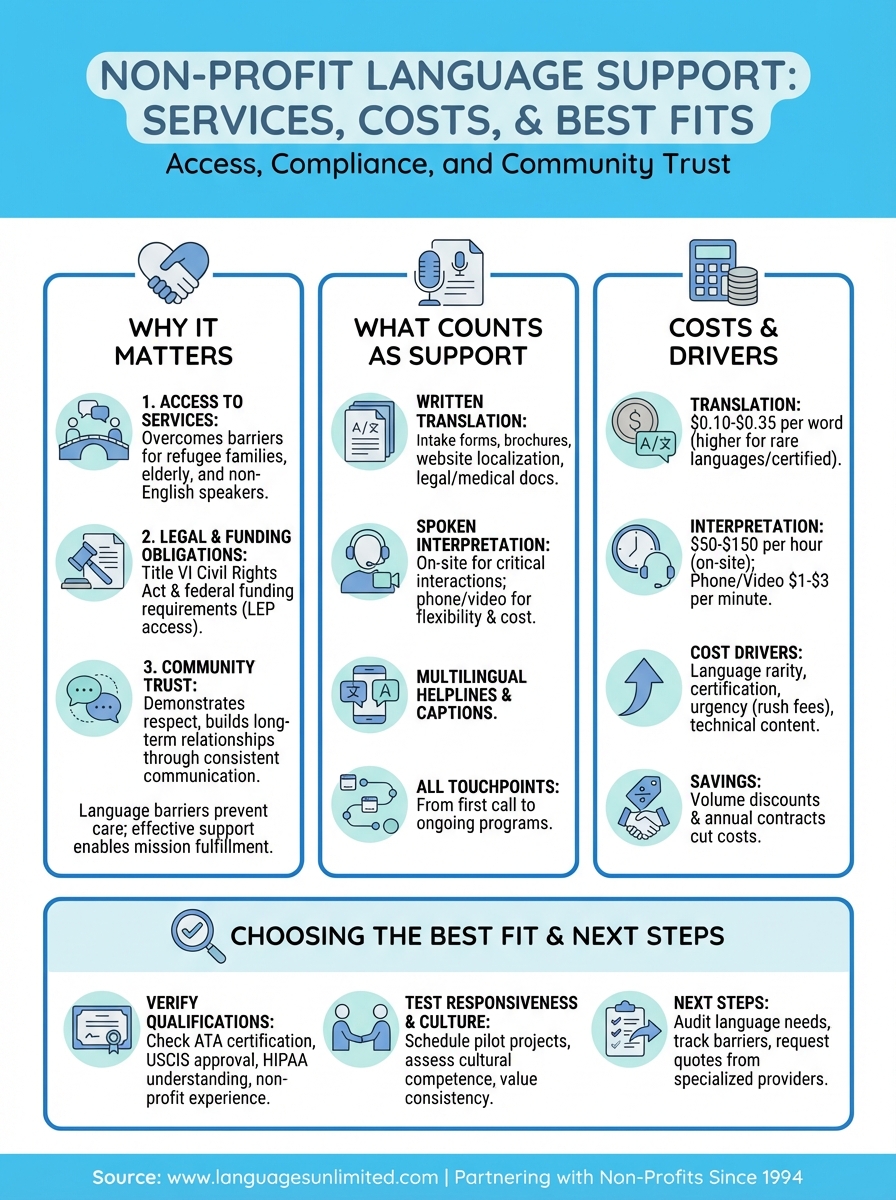
Your organization exists to serve people who need help. But if those people can’t understand your intake forms, your counselors, or your program materials, you can’t fulfill your mission. Language barriers prevent millions of Americans from accessing the services non-profits provide, creating gaps in care that hurt both the individuals who need help and the communities you serve. When a refugee family can’t communicate with your case manager or an elderly immigrant can’t understand your health education materials, your programs fail regardless of their quality.
Access to services depends on language access
You can’t help people who can’t communicate with you. A food bank that only operates in English excludes families who speak Spanish, Mandarin, or Arabic. A domestic violence shelter without interpretation services forces survivors to choose between safety and understanding what rights they have. These barriers don’t just inconvenience people, they can put lives at risk. Medical non-profits see patients make dangerous medication errors because instructions weren’t translated. Legal aid organizations watch clients lose cases because they couldn’t explain their situations. Every service you offer becomes inaccessible when language prevents people from navigating your programs.
Legal and funding requirements create obligations
Title VI of the Civil Rights Act requires organizations receiving federal funding to provide meaningful access to people with limited English proficiency (LEP). Your non-profit faces potential lawsuits, funding cuts, and regulatory penalties if you don’t offer adequate non-profit language support. Federal agencies like the Department of Health and Human Services and the Department of Justice actively investigate complaints about language access violations. Grant applications now routinely ask how you’ll serve multilingual populations, and funding decisions often depend on demonstrating adequate language services.
Organizations that ignore language access requirements risk losing both their funding and their legal standing to operate programs.
Community trust requires consistent communication
You build relationships through reliable communication. When you provide professional translation and interpretation, you show communities you respect them enough to meet them where they are. Word spreads quickly in immigrant and refugee communities about which organizations truly serve everyone and which ones create barriers. Trust takes years to build but disappears the moment someone feels excluded because of language. Effective language support isn’t just about compliance or access, it’s about proving through action that your mission includes everyone you claim to serve.
What counts as language support for nonprofits
Language support includes any service that helps your organization communicate with people who don’t speak English fluently. This goes beyond just translating documents to include real-time interpretation, website localization, video captions, and multilingual helplines. Your non-profit needs to think about every touchpoint where someone interacts with your organization, from the first phone call to ongoing program participation. Services range from simple one-time document translation to complex multilingual communication systems with dedicated interpreters.
Written translation services
Your written materials form the foundation of language access. Documents requiring translation include intake forms, program brochures, consent forms, grant applications filled out by clients, and educational materials. You also need translated versions of your website, social media posts, email campaigns, and annual reports. Certified translations become necessary for legal documents, medical records, and any materials submitted to government agencies or courts. Translation services ensure consistency in terminology across all your materials, which matters when people need to understand complex processes or requirements.
Professional translation prevents the miscommunication that occurs when volunteers or staff members without proper training attempt to translate critical documents.
Spoken interpretation
Face-to-face meetings require interpretation services. You’ll need interpreters for intake interviews, counseling sessions, case management appointments, medical consultations, legal proceedings, and community events. Telephonic and video interpretation provide flexibility for organizations with limited budgets or remote clients, allowing you to access interpreters in hundreds of languages without scheduling in-person visits. Sign language interpretation serves deaf and hard-of-hearing community members. Some non-profits also use interpretation for staff meetings, board presentations, and volunteer training to ensure everyone participates fully regardless of their English proficiency.
Common services and when to use each
Your organization needs different types of non-profit language support depending on how you interact with clients and communities. Document translation works for materials people read independently, while interpretation handles real-time conversations. Choosing the wrong service wastes money and creates confusion. A refugee resettlement agency that only translates forms but provides no interpreters leaves clients unable to ask questions. Similarly, a health clinic that offers interpretation without translated aftercare instructions risks medication errors. You need to match each service type to specific situations your organization encounters.
Document translation for program materials
Use translation services for any written content clients need to understand independently. Application forms, consent documents, program rules, and educational handouts require professional translation so people can review information at their own pace. You should also translate your website, email communications, and social media content to reach communities before they walk through your door. Certified translations become necessary for legal aid work, immigration services, and medical record documentation. Budget more time for translation projects because quality work takes days or weeks, not hours.
On-site interpretation for critical interactions
Bring in professional interpreters when conversations involve complex information or emotional situations. Intake interviews, counseling sessions, legal consultations, and medical appointments demand trained interpreters who understand terminology and maintain confidentiality. You protect both your clients and your organization by using interpreters rather than family members or bilingual staff who lack proper training. Schedule interpreters in advance for planned meetings and establish relationships with interpretation providers who can respond quickly to urgent needs.
Interpretation ensures clients fully understand their rights, options, and responsibilities during interactions that affect their safety, legal status, or health.
Remote interpretation for flexibility and cost control
Phone and video interpretation provide immediate access to interpreters in hundreds of languages without travel costs. You can use telephonic interpretation for brief conversations, appointment scheduling, or crisis hotline calls. Video interpretation adds visual communication for situations requiring more personal connection or when serving deaf clients who use American Sign Language. Remote options cost less than on-site interpretation and work well for organizations serving rural areas or clients who can’t travel to your office.
What language support costs and what drives pricing
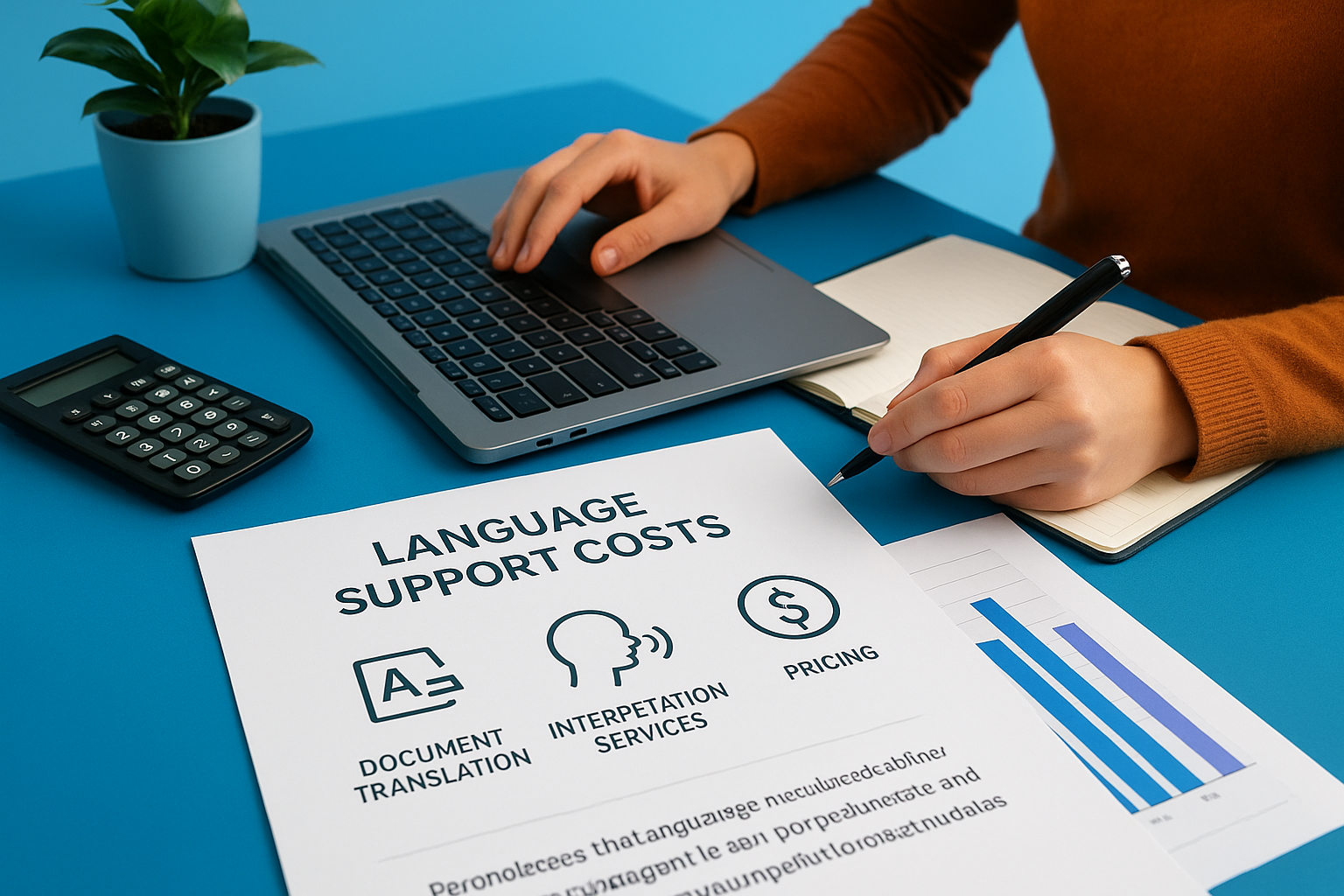
Non-profit language support pricing varies widely based on language combinations, service types, and urgency. Document translation typically costs between $0.10 and $0.35 per word, while interpretation services range from $50 to $150 per hour depending on the language and location. You’ll pay more for rare languages, certified translations, and rush projects. Understanding what drives these costs helps you budget accurately and negotiate better rates with providers who serve non-profits.
Per-word and per-hour rates
Translation providers charge by the word for documents, with common languages like Spanish costing less than rare languages like Hmong or Somali. Certified translations add $20 to $50 per document for official stamps and notarization required by courts and government agencies. Interpretation services bill by the hour with minimum charges of two to four hours for on-site work. Phone and video interpretation cost less, typically $1 to $3 per minute, but these rates add up quickly during long conversations. Technical content requiring specialized terminology commands higher rates because fewer interpreters possess the necessary expertise.
Volume discounts and contract options
You reduce costs significantly by establishing ongoing relationships with language service providers. Annual contracts with guaranteed minimums often cut rates by 20 to 40 percent compared to one-time projects. Bulk translation projects receive per-word discounts when you submit multiple documents at once. Some providers offer special non-profit pricing or pro bono services for organizations serving vulnerable populations.
Organizations that plan language needs annually and contract for predictable volumes pay substantially less than those requesting services on an emergency basis.
Rush fees for same-day or next-day delivery can double your costs, so you save money by building language support into project timelines from the start.
How to choose the best fit for your nonprofit
Your language service provider becomes a partner in fulfilling your mission, so you need one that understands non-profit constraints and community needs. The cheapest option rarely delivers the quality your clients deserve, while premium providers might offer features you’ll never use. You should evaluate potential partners on their experience with organizations like yours, their language coverage, their ability to scale with your needs, and their commitment to accuracy in specialized content areas like legal aid or healthcare.
Verify qualifications and certifications
Look for providers with credentials that match your work. American Translators Association (ATA) certification indicates professional standards, while USCIS approval matters if you handle immigration cases. Ask about interpreters’ training in medical or legal terminology if you serve those populations. Check whether the provider maintains confidentiality agreements and understands HIPAA requirements for health-related non-profit language support. Request references from other non-profits in your field and verify how long the provider has served organizations similar to yours.
Test responsiveness and cultural competence
Schedule a trial project before committing to a long-term contract. You need providers who respond quickly to urgent requests and understand the cultural contexts of the communities you serve. A good partner explains why certain phrases don’t translate directly and suggests culturally appropriate alternatives. They ask questions about your audience and adapt their work accordingly.
Organizations that test providers with small projects before signing contracts avoid costly mistakes and service disruptions.
Pay attention to how they handle corrections and whether they assign consistent translators to your account for terminology consistency.
Next steps
Start by auditing your current language needs across all client touchpoints. Document every interaction where language barriers occur, from phone calls to intake forms to counseling sessions. Calculate how many clients you turn away or serve inadequately because of language limitations. This data shows you where to prioritize your non-profit language support investments and helps justify budget requests to your board or funders.
Request quotes from at least three providers who specialize in serving non-profits. Ask each one to explain how they handle your specific situations, whether legal aid consultations, medical case management, or community education programs. Compare their certifications, response times, and references from organizations similar to yours. Start with a small pilot project before committing to annual contracts.
Languages Unlimited has served non-profits across all 50 states since 1994, providing certified translation and interpretation that helps organizations reach everyone they aim to serve. Contact us today to discuss how we can support your mission with reliable language services.