



Subtitling is the practice of displaying written text on screen that represents spoken dialogue and audio information in videos. You see it every time you watch a foreign film with translations at the bottom of your screen or when you enable text while streaming your favorite show. The text appears synchronized with the audio so viewers can read along as characters speak or sounds occur.
This article breaks down everything you need to know about subtitling. You’ll learn why it matters for content creators and audiences, how to plan and implement it effectively, and what makes the subtitling process work. We’ll also clear up the confusion between subtitles, captions, and dubbing so you understand when to use each approach. By the end, you’ll have a complete picture of how subtitling functions and how to apply it to your own projects.
Why subtitling matters for modern content
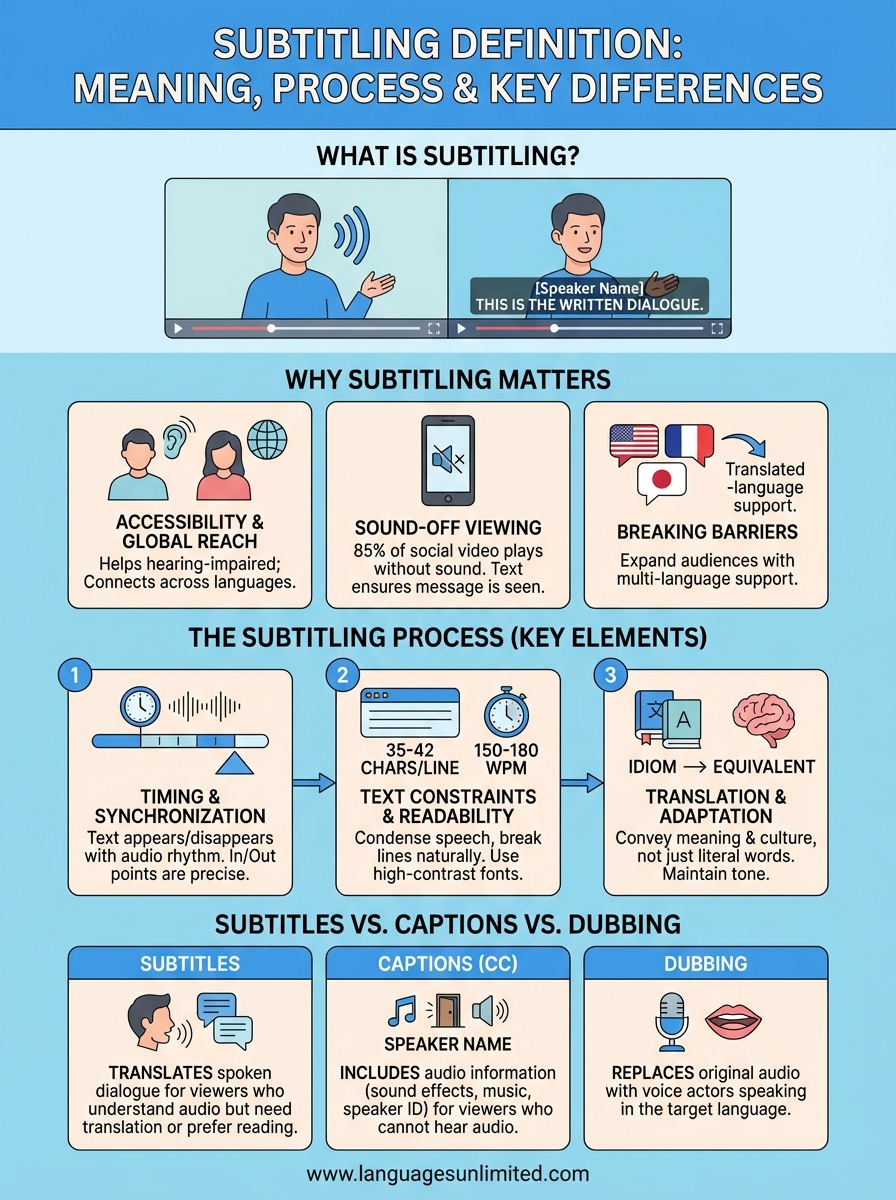
Your content reaches significantly wider audiences when you add subtitles to your videos. Over 85% of videos on social media play without sound, which means viewers miss your message entirely without text on screen. Subtitles solve this problem by making your content accessible in silent environments like offices, public transit, or late-night browsing sessions where audio disrupts others nearby.
Accessibility and global reach
Subtitles break down language barriers and help people with hearing loss engage with your videos effectively. You gain access to international markets where viewers prefer content in their native language, and you meet legal requirements for accessibility that many organizations must follow today. The subtitling definition extends beyond simple translation to include creating an inclusive viewing experience that serves diverse audiences across multiple platforms and contexts.
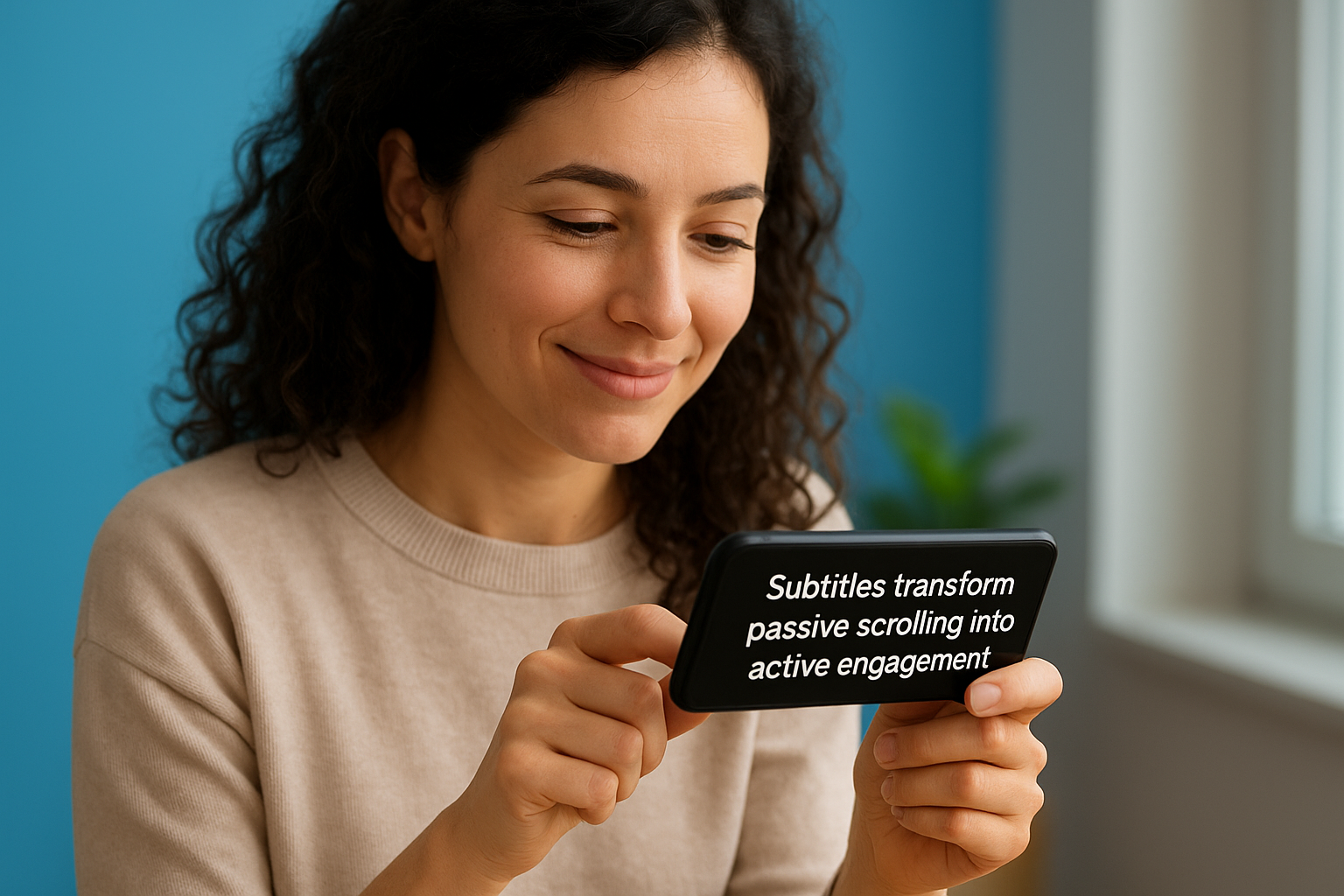
Subtitles transform passive scrolling into active engagement by ensuring your message connects regardless of audio availability.
How to plan and use subtitling effectively
You build successful subtitling projects by starting with clear objectives before you write a single line of text. Think about whether you need translation for international audiences, accessibility for viewers with hearing loss, or simply text to help people follow along in sound-off environments. Your audience demographics and viewing platforms determine the subtitle style, reading speed, and formatting choices that work best for your specific content.

Define your audience and technical specifications
Your subtitle specifications depend on where viewers watch your videos and what they need from the text. Streaming platforms like YouTube require specific file formats like SRT or VTT, while broadcast television often uses different technical standards. You match reading speeds to your audience’s language proficiency and age group, typically keeping text between 150 and 180 words per minute for comfortable reading. Consider whether viewers need sound descriptions, speaker identification, or translations that adapt idioms to local contexts rather than providing literal word-for-word conversions.
Create a consistent workflow
Effective subtitling requires established processes that maintain quality across multiple videos. You start by creating or obtaining an accurate transcript of the spoken content, then time each subtitle to appear and disappear with the corresponding audio. Quality control checks catch timing errors, typos, and formatting issues before you publish, and you maintain style guides that ensure consistency in punctuation, capitalization, and treatment of special terms. Understanding the subtitling definition helps you apply these standards correctly throughout your workflow.
Strong planning transforms subtitling from a tedious afterthought into a strategic advantage that expands your content’s impact.
Key elements of the subtitling process
The subtitling process combines technical precision with linguistic accuracy to create text that matches video content seamlessly. You coordinate multiple elements that work together to deliver readable, properly timed text that enhances rather than distracts from the viewing experience. Each component requires attention to detail and understanding of how viewers process both visual and written information simultaneously.
Timing and synchronization
Subtitle timing determines when text appears and disappears on screen in relation to spoken dialogue or audio events. You set in-points (when text appears) and out-points (when text disappears) to match the natural rhythm of speech, typically keeping subtitles visible for a minimum of one second and adjusting duration based on text length. Proper synchronization prevents confusion by ensuring viewers see text that matches what they hear or see happening on screen at that exact moment, and you leave brief gaps between subtitle blocks to give eyes time to rest.
Text constraints and readability
Your subtitles follow strict character limits per line, usually between 35 and 42 characters depending on platform requirements and screen size. You condense spoken language without losing meaning because reading speed differs from listening speed, and you break lines at natural linguistic boundaries rather than splitting phrases awkwardly mid-thought. Font size, color, and positioning affect readability, so you choose high-contrast text that remains legible against varied backgrounds while staying within standard formatting guidelines.

Effective subtitling balances technical requirements with the natural flow of language to create an invisible layer of support for viewers.
Translation and adaptation
Translation subtitles require you to convey meaning across languages while respecting character limits and cultural context. The subtitling definition includes this adaptation process where you transform idioms, jokes, and cultural references into equivalents that resonate with target audiences rather than translating word-for-word. You maintain the speaker’s tone and intent while fitting text into the time constraints of the original audio.
Subtitling vs captions and dubbing
You encounter three distinct approaches when adding text or audio to videos, and each serves different purposes. The subtitling definition focuses on translating spoken dialogue into written text, while captions include additional audio information like sound effects, music descriptions, and speaker identification for viewers who cannot hear the soundtrack.
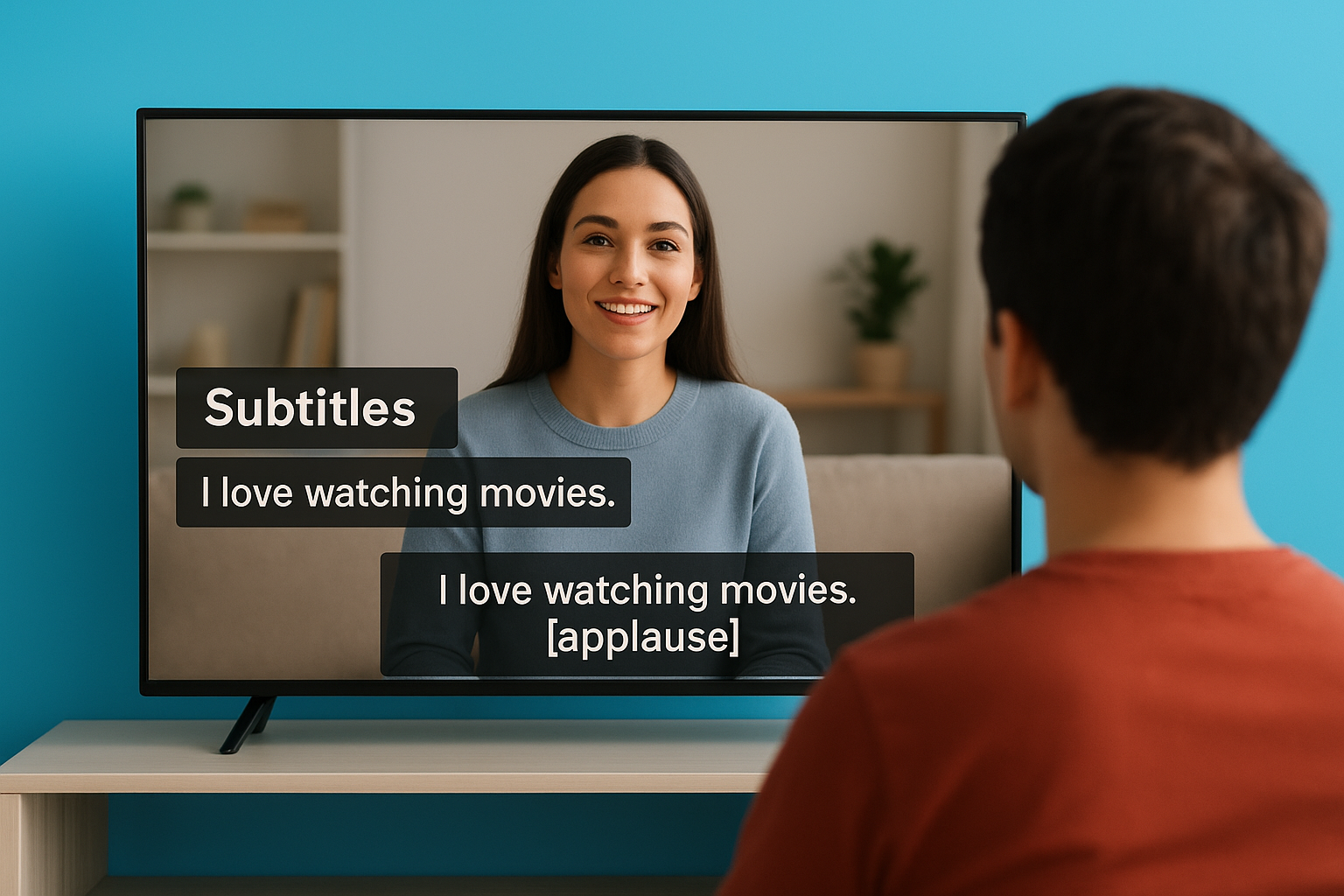
Captions versus subtitles
Captions assume viewers cannot access audio, so they describe background sounds, tone indicators, and off-screen noises that subtitles omit. You use captions primarily for accessibility compliance, while subtitles target audiences who understand the audio but need translation or prefer reading along. Regional terminology adds confusion since some countries call all on-screen text "subtitles" while others distinguish between SDH (subtitles for the deaf and hard of hearing) and standard interlingual subtitles.
Understanding these distinctions ensures you deliver the right solution for your specific audience needs.
Dubbing as an alternative
Dubbing replaces the original audio track with voice actors speaking in the target language rather than showing text on screen. You choose dubbing when viewers prefer seamless immersion without reading, though it costs significantly more than subtitles and changes the original performance. Voice matching, lip synchronization, and cultural adaptation make dubbing complex, which explains why subtitles remain the dominant choice for most content creators.
Common types and uses of subtitling
You encounter several distinct types of subtitles depending on your content goals and audience needs. Interlingual subtitles translate dialogue from one language to another for international viewers, while intralingual subtitles transcribe speech in the same language for accessibility or comprehension purposes. Both types follow the subtitling definition we’ve covered, but each serves different viewing contexts and requires unique approaches to timing, language treatment, and cultural adaptation that match specific viewer requirements.
Interlingual and intralingual subtitles
Interlingual subtitles cross language barriers by converting dialogue into text viewers can read in their native tongue. You use these when distributing content to foreign markets or multilingual audiences who prefer reading over dubbed audio tracks. Intralingual subtitles serve same-language purposes like helping viewers follow fast dialogue, understand heavy accents, or learn language through reading while listening simultaneously. Educational content, karaoke videos, and live event broadcasts frequently rely on intralingual approaches to enhance comprehension.
Choosing between interlingual and intralingual subtitles depends entirely on whether your audience needs translation or same-language support.
Industry-specific applications
Entertainment platforms prioritize subtitles for streaming services, films, and television shows that reach global audiences across multiple territories. Corporate training programs and online learning platforms depend on subtitles to maintain message consistency when employees or students access materials in different environments or prefer text-based learning styles.
Legal proceedings, medical consultations, and government communications require precise subtitling for documentation and accessibility compliance. You find these applications critical across professional sectors beyond entertainment alone, where accuracy and regulatory adherence take precedence over creative adaptation.
Bringing it all together
You now understand the subtitling definition and how it applies to your content strategy across multiple platforms. Subtitles expand your reach by breaking down language barriers, ensuring accessibility compliance, and keeping viewers engaged when audio isn’t available. The process requires attention to timing, text constraints, and cultural adaptation, but the investment delivers measurable returns through broader audience access and improved engagement metrics across all your video content.
Professional subtitling services help you maintain quality while scaling production across multiple languages and platforms. Whether you need translations for international distribution or same-language subtitles for accessibility, working with experienced language professionals ensures accuracy and compliance with industry standards. Contact our team to discuss your subtitling requirements and learn how we can help you reach audiences more effectively through precise, professionally crafted subtitles that enhance your message.