



A certified translation is an official translation of a document accompanied by a signed statement from the translator or translation company. This statement declares that the translation is accurate and complete. The translator includes their name, contact information, and signature on the certification. You need this type of translation when submitting documents to government agencies, courts, immigration offices, or other official institutions that require proof of accuracy.
This guide breaks down everything you need to know about certified translations. You’ll learn why these translations matter for official processes, how to get one, and what must be included in the certification statement. We’ll explain the differences between certified, notarized, and sworn translations so you know exactly what you need. You’ll also see which documents typically require certification and how the process works from start to finish. Whether you’re applying for immigration status, enrolling in a university abroad, or handling legal matters, understanding certified translation helps you submit the right paperwork the first time.
Why certified translation matters
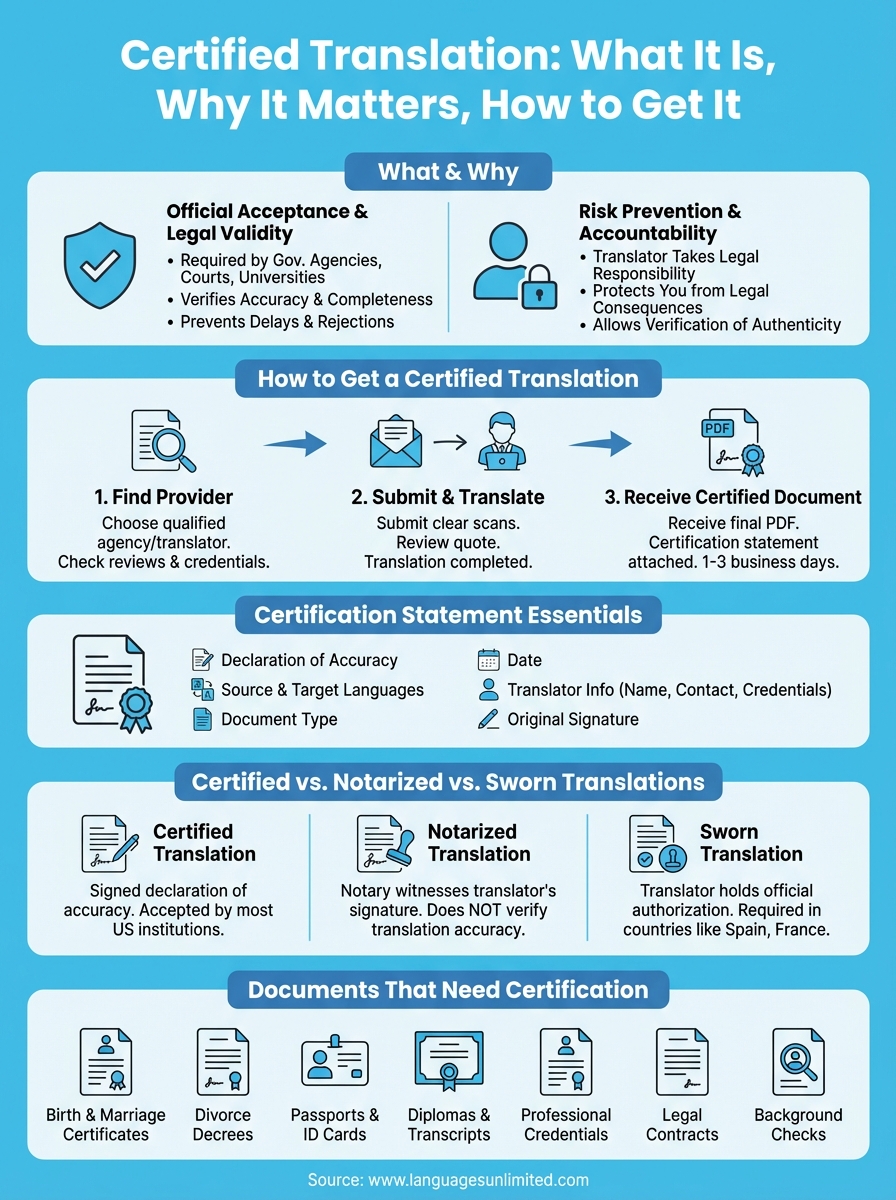
Government agencies and official institutions require proof that your translated documents are accurate before they accept them. When you submit a regular translation without certification, these organizations have no way to verify its accuracy or hold anyone accountable for errors. A certified translation solves this problem by providing a signed declaration from a qualified translator who takes legal responsibility for the work. This certification gives your documents the official status they need to be accepted by immigration offices, courts, universities, and other authorities.
Official acceptance and legal validity
Immigration authorities like USCIS reject documents without proper certification, which delays your application and costs you additional time and money. Courts require certified translations to ensure accurate testimony and evidence in legal proceedings. Educational institutions need certification to verify your foreign credentials meet their admission standards. Without certification, you risk having your application denied or sent back for proper documentation. The certification statement acts as a legal guarantee that the translation matches the original document word for word.
Certified translations protect both you and the receiving institution by creating a clear chain of accountability for accuracy.
Risk prevention and accountability
Professional translators who certify translations put their reputation and credentials on the line with every signature. This accountability ensures they deliver accurate work because errors can result in legal consequences for them. You protect yourself from potential problems when you use certified translations for official purposes. Immigration denials, court case dismissals, and rejected university applications often stem from using uncertified translations. The translator’s contact information on the certification allows authorities to verify the document’s authenticity if questions arise. Understanding what is a certified translation helps you avoid these costly mistakes and submit proper documentation the first time.
How to get a certified translation
Getting a certified translation starts with choosing a qualified professional or translation agency that understands your specific requirements. You need to verify that your chosen provider can deliver certifications accepted by the institution receiving your documents. The process typically takes one to three business days for standard documents, though rush services are available if you face tight deadlines. Most providers accept digital copies of your documents, which speeds up the initial review and quote process.
Finding a qualified translator or agency
Professional translation agencies maintain networks of certified translators across multiple languages and specialties, making them reliable choices for official documents. You can verify their credentials by checking memberships in organizations like the American Translators Association (ATA), which sets strict standards for translation quality. Individual freelance translators who are certified can also provide these services, but you should confirm they have experience with your document type and the receiving institution’s requirements. Ask about their qualifications, turnaround times, and whether they include the certification statement as part of their standard service.
Always confirm that your translator or agency can provide certifications accepted by your specific receiving institution before you commit to the service.
The certification process step by step
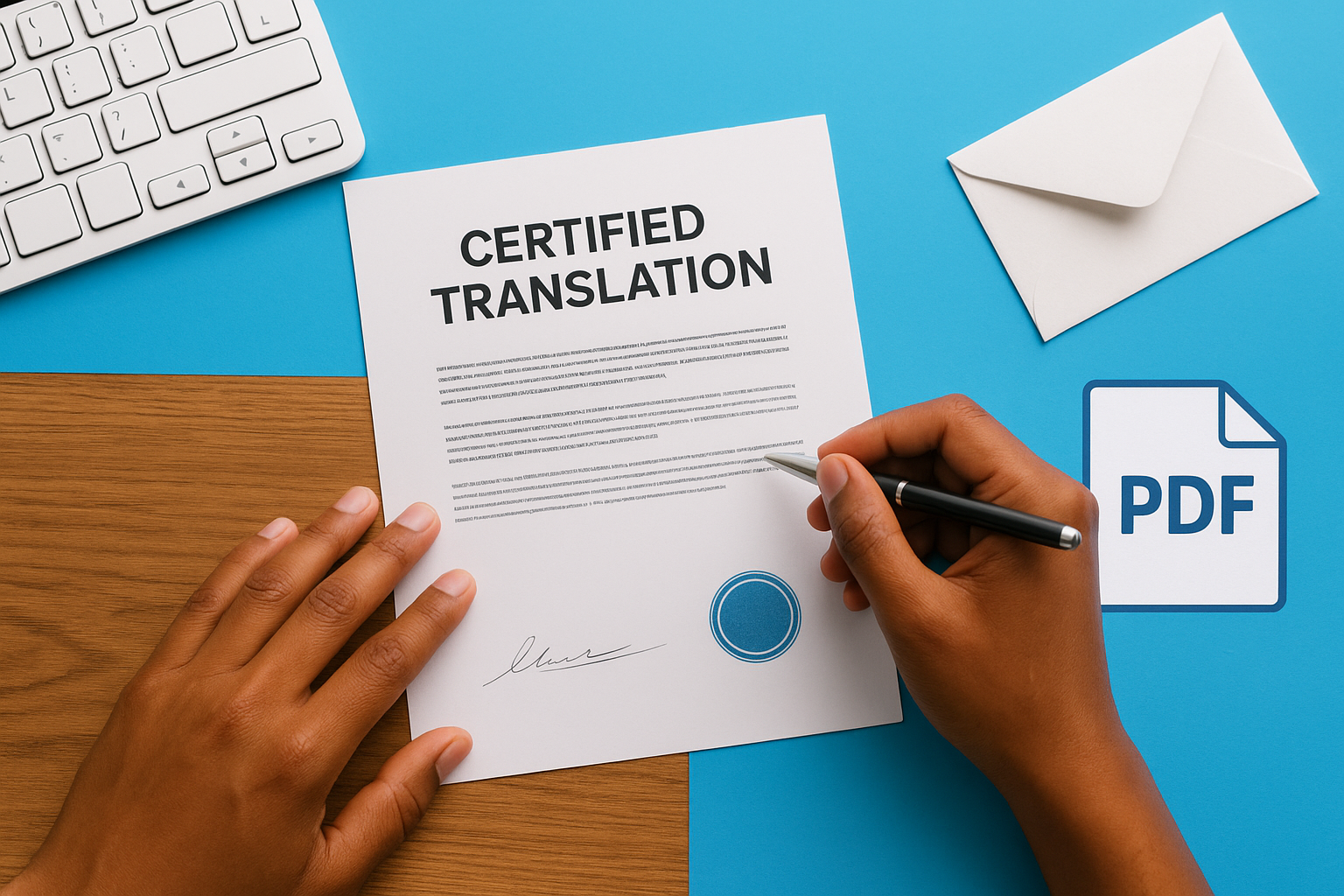
You submit clear scans or digital copies of your original documents to your chosen provider through email or their online platform. The translator reviews your documents and provides a quote based on word count, language pair, and complexity of the content. Once you approve the quote and make payment, the translator completes the translation work and has it reviewed for accuracy. Your provider then attaches the certification statement with the translator’s signature, contact information, and credentials to the translated document. Understanding what is a certified translation helps you recognize that this certification makes your document officially valid for submission. You receive the final certified translation as a PDF by email, or you can request printed copies with original signatures sent by mail if your institution requires physical documents.
What a certified translation must include
A valid certified translation contains specific elements that make it legally acceptable to official institutions. Every certification statement must explicitly declare that the translation is complete and accurate, matching the original document in full. The translator or agency providing the certification takes legal responsibility for this accuracy through their signature. Missing any of these required elements can result in your documents being rejected by immigration offices, courts, or other authorities.
Required elements of the certification statement
Your certification statement must include a declaration of accuracy that explicitly states the translation is true and complete. This statement identifies the source language and target language of the document, along with the specific type of document being translated (such as a birth certificate or diploma). The certification needs the date when the translation was completed, which establishes when the translator verified the accuracy. Many institutions reject certifications that lack any of these core elements because they cannot verify the translation’s validity.
Understanding what is a certified translation means knowing that every element in the certification statement serves a legal purpose and cannot be omitted.
Translator information and credentials
The certification must display the translator’s full name and their contact information, including their physical address, email, and phone number. Professional translators include their credentials or memberships in recognized organizations like the American Translators Association to demonstrate their qualifications. Your translator signs the certification statement with their original signature, and many add a professional stamp or seal that includes their certification number if applicable. Some institutions require this information on the translator’s official letterhead, which further validates the document’s authenticity. The translator’s detailed contact information allows authorities to verify the certification if questions arise about your documents, which protects you from potential fraud accusations and ensures your application moves forward smoothly.
Certified vs notarized vs sworn translations
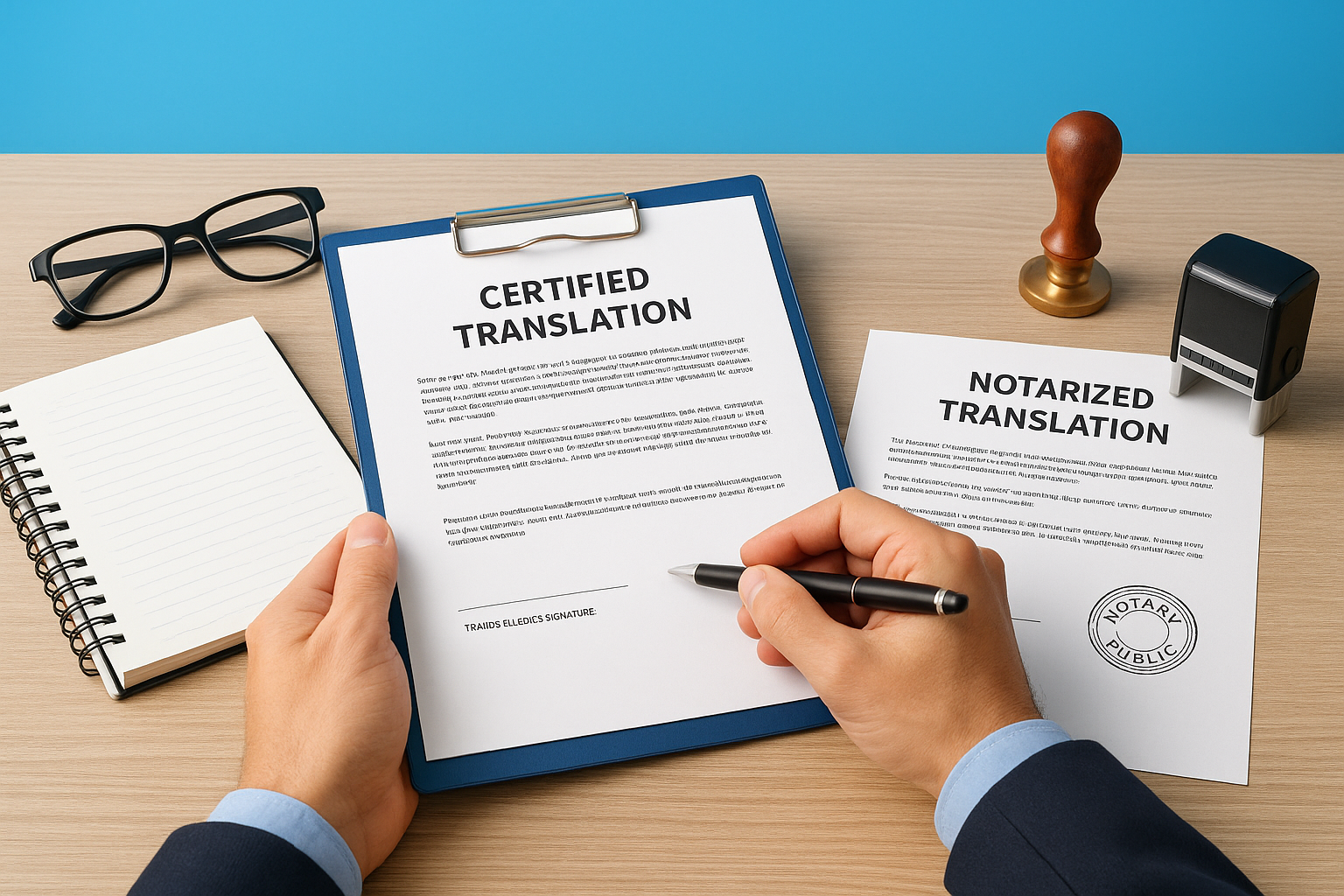
Understanding what is a certified translation becomes clearer when you compare it to similar but distinct types of translations. A certified translation includes a signed statement from the translator declaring accuracy, while a notarized translation adds an extra layer by having a notary public witness the translator’s signature. Sworn translations go further still, requiring the translator to be officially registered or licensed by a government authority to provide legally binding translations. The type you need depends entirely on your receiving institution’s requirements and the country where you submit your documents.
Understanding notarized translations
A notarized translation starts with a certified translation but adds verification from a notary public who confirms the translator’s identity when they sign the certification statement. The notary does not verify the accuracy of the translation itself because most notaries do not speak the source or target languages. Their role is strictly to witness and authenticate the signature on the certification statement. You need this service when institutions specifically request "notarized translations" for documents like birth certificates, marriage licenses, or legal contracts. The notary’s seal and signature appear alongside the translator’s certification, creating an additional layer of authentication that some authorities require for legal proceedings or immigration applications.
Notarization adds identity verification to the certification process but does not change or validate the translation’s accuracy.
When you need sworn translations
Sworn translations require translators who hold official authorization from a court, government ministry, or professional body in their country. These translators take a legal oath and maintain an official registry number that appears on all their translations. Countries like Spain, France, Germany, and Italy use sworn translation systems where only registered translators can provide legally valid translations for official purposes. The United States does not use sworn translators, instead accepting certified translations from qualified professionals for most purposes. Your destination country’s legal system determines whether you need a sworn translation, so you should verify requirements with the specific institution receiving your documents before choosing your translation type.
Documents that usually need certification
Official institutions require certified translations for documents that serve as legal proof of identity, status, or qualifications. Immigration offices, courts, universities, and government agencies need these certifications to verify that your foreign documents are accurately translated before they make decisions affecting your legal status, education, or rights. You typically need certified translations when your original documents are in a language different from the one used by the receiving institution. Understanding what is a certified translation helps you identify which of your documents require this official treatment before you submit applications or petitions.
Personal identification and civil documents
Birth certificates rank among the most commonly certified documents because immigration authorities and government agencies use them to verify your identity and citizenship status. You need certified translations of marriage certificates when registering marriages abroad, applying for spousal visas, or changing your legal name in another country. Courts and immigration offices require certified translations of divorce decrees and death certificates for inheritance matters, remarriage applications, or dependent visa petitions. Your passport and national identity cards often need certification when you apply for residency permits, work authorizations, or citizenship in a foreign country.
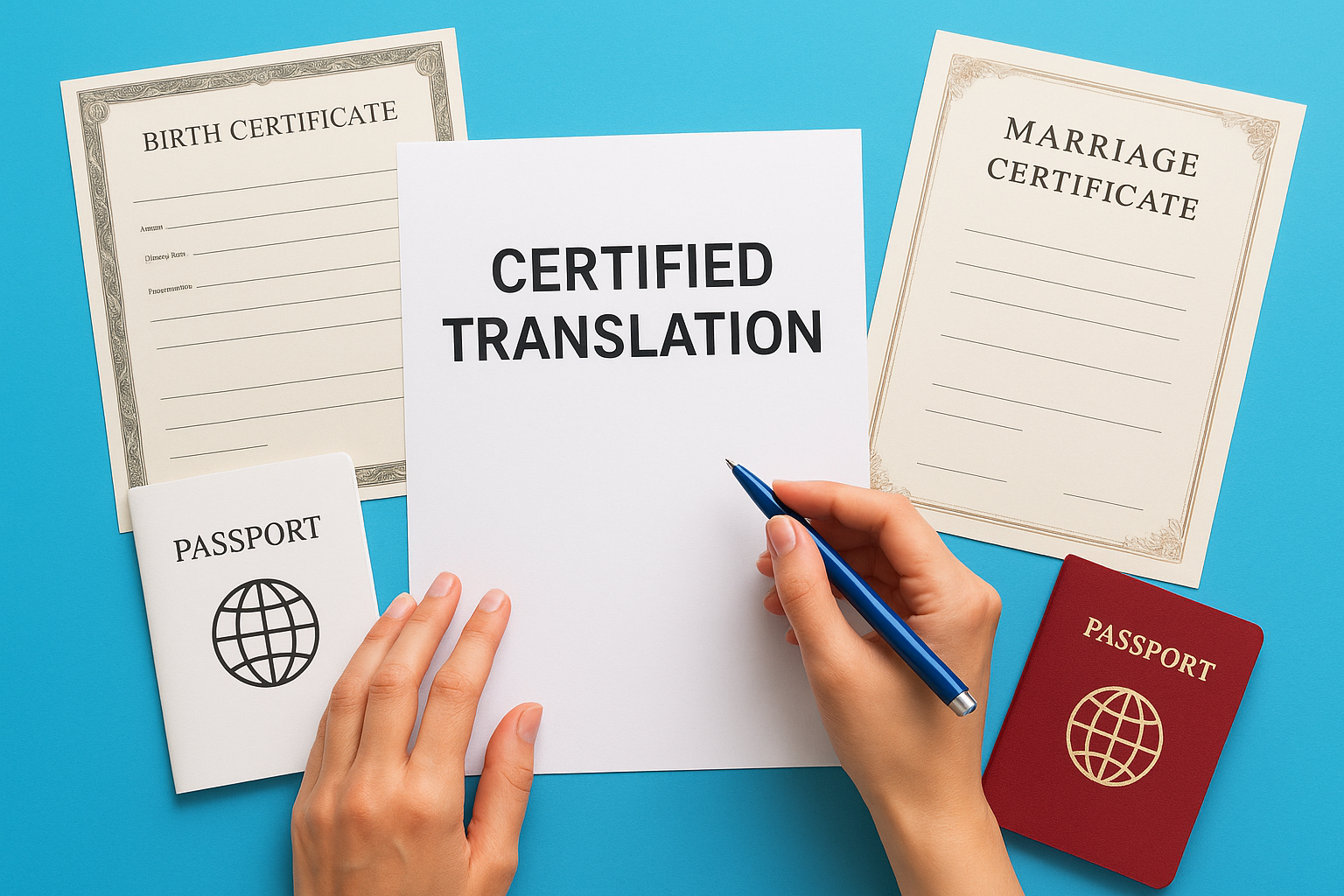
Government agencies reject applications with uncertified translations because they cannot verify the accuracy of your personal information or legal status.
Academic and professional credentials
Universities require certified translations of diplomas, degrees, and academic transcripts when you apply for admission, transfer credits, or seek degree recognition in another country. Professional licensing boards need certified translations of your certificates, credentials, and training documents before they grant you authorization to practice medicine, law, engineering, or other regulated professions. Employers requesting background checks or employment records from foreign countries typically require these documents in certified translation form to verify your qualifications and work history.
Key takeaways
Understanding what is a certified translation empowers you to submit proper documentation for immigration, legal, educational, or official purposes. A certified translation includes a signed statement from a qualified translator or agency declaring the translation’s accuracy and completeness. You receive this certification with contact information, credentials, and a signature that makes your documents officially acceptable to government agencies and institutions.
The certification process takes one to three business days for most documents, and you can submit digital copies to start. Know the difference between certified, notarized, and sworn translations so you request the correct type for your specific needs. When you need certified translations for official documents like birth certificates, academic transcripts, or legal papers, contact our professional translation team to ensure your documents meet all requirements.