



When most people think about sign language, they picture simple hand gestures that translate words. But here’s the reality , sign language is a sophisticated, nuanced communication system that’s far more complex than you might imagine. These eye-opening facts will completely reshape how you understand accessibility and the deaf community.
1. There’s No Such Thing as “Universal” Sign Language
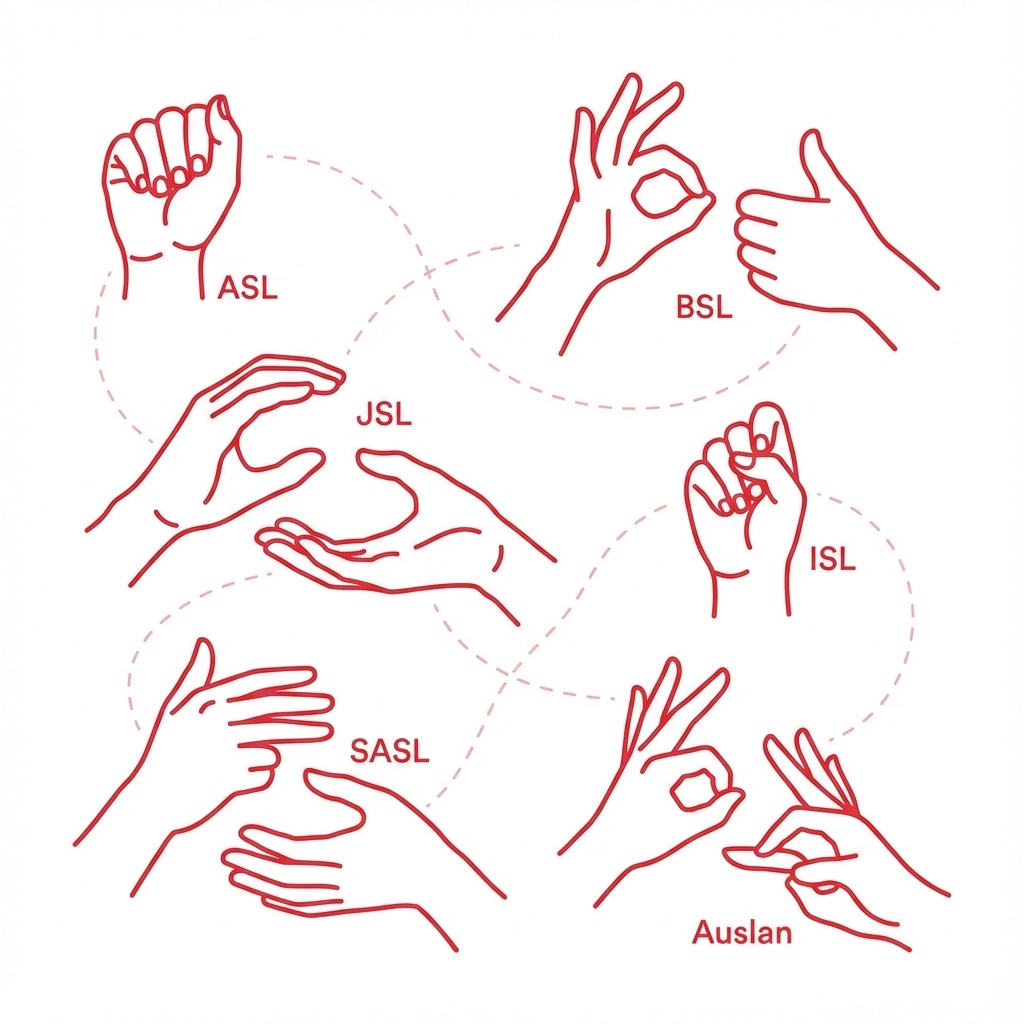
You might assume sign language is the same everywhere, but that couldn’t be further from the truth. Between 138 and 300 different sign languages exist worldwide, each with its own unique vocabulary, grammar, and cultural nuances.
American Sign Language (ASL) and British Sign Language (BSL) are completely different languages , about as similar as English and Japanese. A deaf person from the United States can’t automatically communicate with a deaf person from the United Kingdom using sign language.
What this means for accessibility: When you’re planning inclusive events or services, you can’t just hire “a sign language interpreter.” You need to know exactly which sign language your audience uses. This fact alone shows how much depth and consideration true accessibility requires.
2. Your Face Is Just as Important as Your Hands
Here’s something that might surprise you , sign language isn’t just about hand movements. Facial expressions, head tilts, shoulder positions, and even the way someone moves their mouth all carry critical meaning.
In fact, changing your facial expression can completely alter the meaning of a sign, just like how your tone of voice changes the meaning of spoken words. A raised eyebrow might turn a statement into a question, while a furrowed brow could indicate confusion or emphasis.
The accessibility insight: This reveals why video calls and proper lighting are essential for deaf individuals. You wouldn’t expect someone to have a phone conversation in a noisy environment , similarly, sign language users need clear visual access to communicate effectively.
3. Eyebrows Work Like Punctuation Marks
This fact will blow your mind , eyebrow position in sign language functions exactly like punctuation and tone in spoken language. Raised eyebrows signal yes/no questions (think of it like a question mark), while lowered eyebrows indicate who-what-where-when-why questions.
It’s not random either. This “facial grammar” follows consistent rules across the language, showing just how systematic and sophisticated sign languages really are.
Why this matters: It demonstrates that sign language has the same linguistic complexity as spoken language. When you provide accessibility accommodations, you’re not offering a simplified version of communication : you’re ensuring access to a complete, rich language system.
4. Different Countries, Different Alphabets
While we’re on the topic of differences, here’s a fascinating detail : ASL uses only one hand to fingerspell the alphabet, while German and British Sign Languages require both hands. Each sign language developed its own efficient system for representing letters and numbers.
This isn’t just a fun trivia fact. It shows how different deaf communities independently created sophisticated solutions for visual communication, each perfectly adapted to their linguistic needs.
The practical impact: This reinforces why generic “sign language” services don’t work. Each sign language represents centuries of cultural and linguistic development within specific communities.
5. Sign Languages Have Their Own Grammar Rules
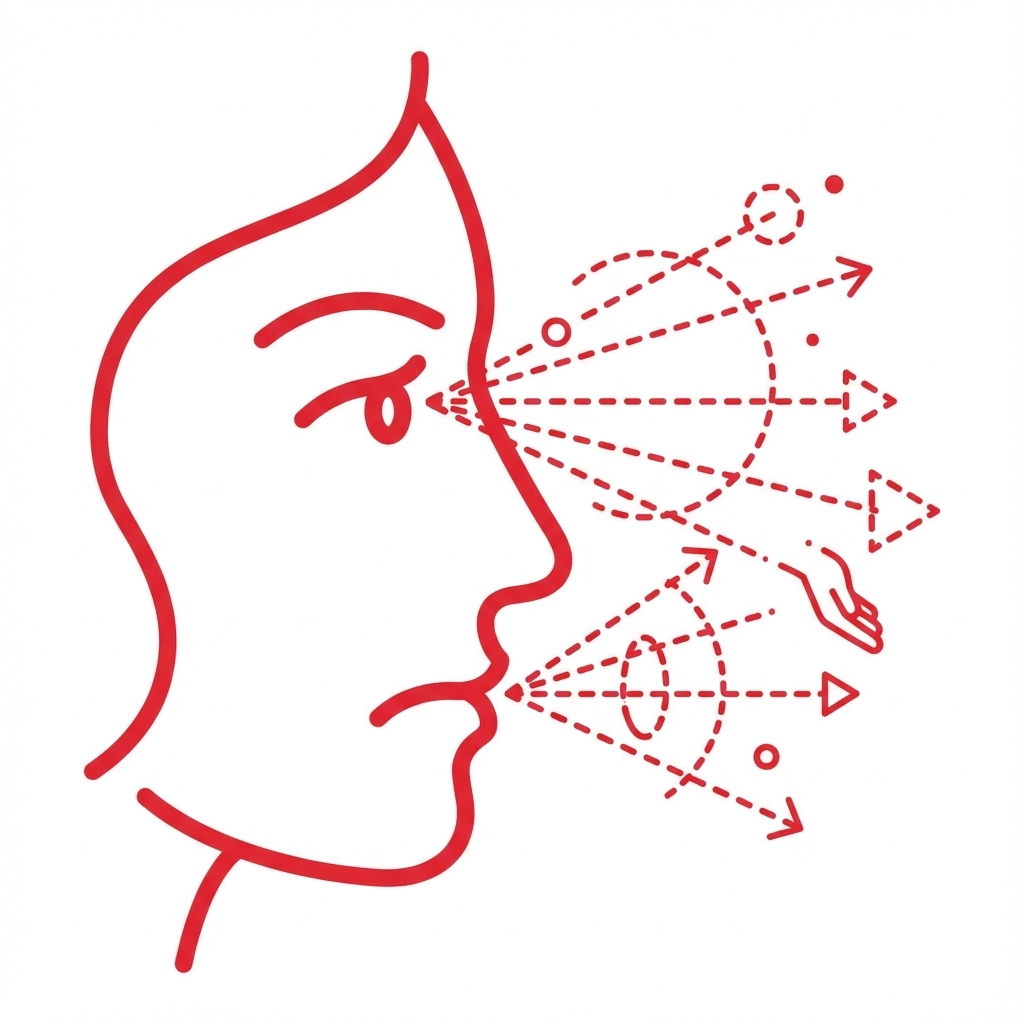
Don’t think of sign language as translated spoken language : sign languages have completely unique grammar and syntax systems. The order of signs, the use of space around the signer’s body, and the incorporation of movement all follow specific grammatical rules that don’t mirror spoken language.
For example, in ASL, you might establish a location in space to represent a person or object, then refer back to that space throughout the conversation. This spatial grammar has no equivalent in spoken English.
What this reveals: Sign language interpreters aren’t just translating words : they’re converting between entirely different grammatical systems. This level of linguistic complexity deserves the same respect we give to any foreign language translation.
6. Body Location Indicates Gender in ASL
Here’s a clever linguistic feature : in ASL, signs related to women are made near the jawline, while signs for men are made near the forehead. Words like “mother,” “daughter,” and “woman” are signed near the jaw, while “father,” “son,” and “man” are signed near the forehead.
This systematic organization shows how sign languages encode grammatical information visually and spatially in ways that spoken languages simply cannot.
The accessibility lesson: This spatial organization demonstrates the three-dimensional nature of sign language. Proper accessibility means ensuring sign language users have adequate space to communicate : cramped spaces literally restrict their language.
7. Deaf People Get Personal Name Signs
Instead of fingerspelling their names letter by letter every time, deaf individuals receive unique personal name signs : usually a combination of the first letter of their name with a sign representing a physical characteristic or personality trait.
These name signs are typically given by other deaf community members and carry cultural significance. You can’t just make up your own name sign : it’s something that develops naturally within the deaf community.
Why this matters: This practice shows how deaf culture creates its own social customs and identity markers. True accessibility means respecting and accommodating these cultural practices, not just providing basic communication access.
8. One Sign Can Mean Multiple Things
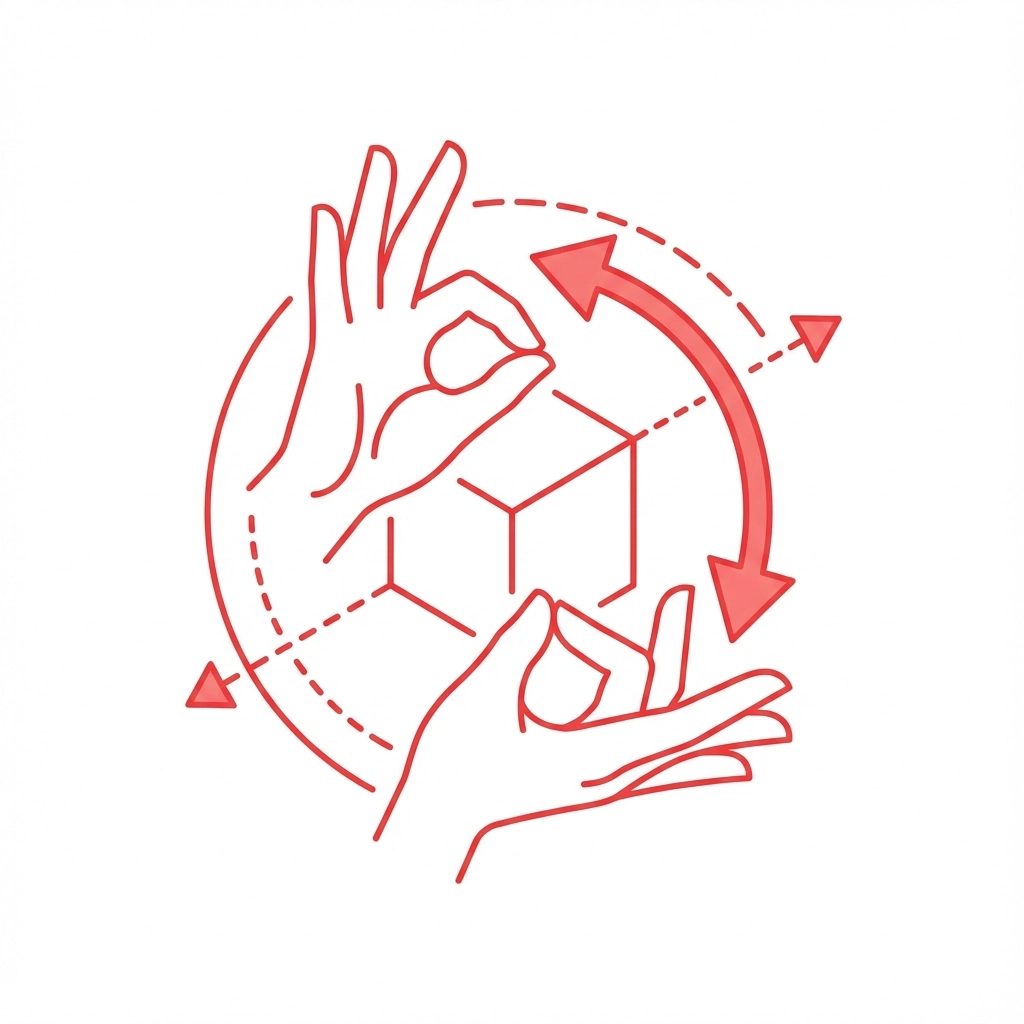
Just like spoken languages have homonyms (words that sound the same but have different meanings), sign languages have signs that serve multiple functions depending on context. The same hand movement might represent different concepts based on facial expression, body position, or surrounding signs.
This flexibility allows for efficient communication and shows the sophisticated nature of visual language systems.
The practical insight: This complexity means that automated sign language translation tools are still extremely limited. Real accessibility requires human interpreters who understand context, culture, and nuance.
9. ASL Has Over 200 Years of History in America
American Sign Language has been actively used in the United States for more than 200 years, with formal deaf education beginning in 1817 when Thomas Hopkins Gallaudet established the first school for deaf students.
This isn’t some newly created accommodation system : it’s a language with deep historical roots and cultural significance. ASL has evolved, developed regional dialects, and created its own literary traditions over two centuries.
What this means: When you provide ASL interpretation services, you’re accommodating a language with the same historical depth as any immigrant language in America. This perspective shift is crucial for understanding accessibility as cultural inclusion, not just basic accommodation.
10. Half a Million Americans Use ASL as Their Primary Language
Here’s the number that puts everything in perspective : approximately 500,000 people in the United States use ASL as their primary language. That’s larger than the population of many major cities.
This substantial community has its own culture, traditions, educational institutions, and social networks. Many deaf individuals also mouth words while signing, creating a bridge between signed and spoken communication.
The bottom line: ASL accessibility isn’t a niche accommodation for a small group : it’s essential communication infrastructure for a significant population. When businesses ignore sign language accessibility, they’re excluding half a million potential customers, employees, and community members.
Changing Your Accessibility Perspective
These facts reveal that sign language accessibility goes far beyond basic accommodation : it’s about recognizing and respecting a complete linguistic and cultural system. True accessibility means understanding that deaf individuals aren’t people with broken hearing who need fixing; they’re members of a linguistic minority with their own rich cultural traditions.
When you approach accessibility from this perspective, you stop asking “How do we help deaf people?” and start asking “How do we ensure our services are truly inclusive of all language communities?”
At Languages Unlimited, we understand these nuances because we work with sign language interpreters who are deeply embedded in deaf culture. Whether you need ASL interpretation for business meetings, legal proceedings, or community events, we ensure you get interpreters who understand not just the language, but the cultural context that makes communication truly effective.
The next time you think about accessibility, remember these facts. Sign language isn’t simplified communication : it’s sophisticated, nuanced, and deserving of the same respect we give to any other language. That shift in perspective makes all the difference in creating truly inclusive spaces.